
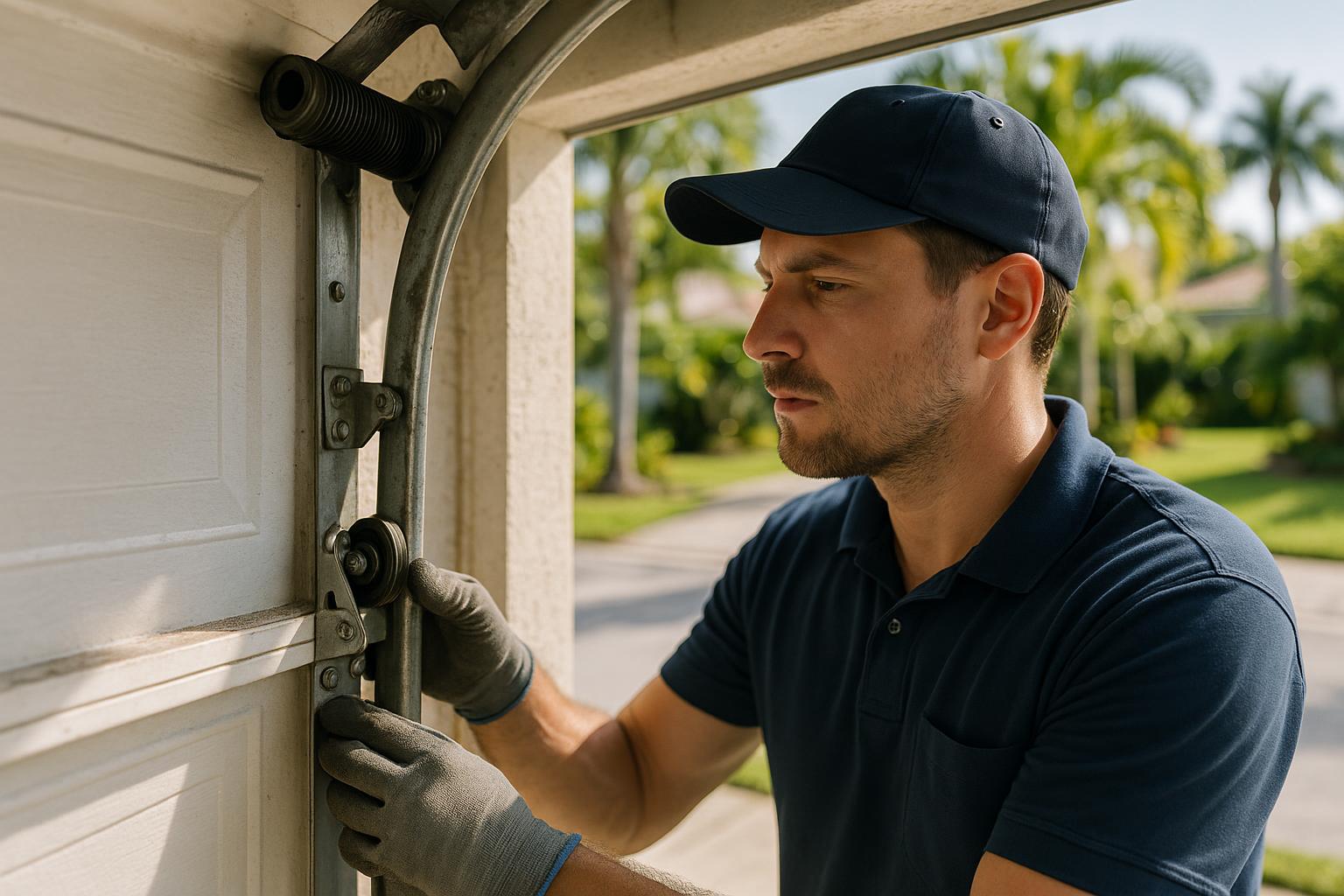
Your Garage Door Is the Hardest-Working Part of Your Home
Think about it — your garage door opens and closes an average of 1,500 times per year. That's more use than your front door, your back door, and probably every window in your house combined. Yet most homeowners in Sarasota never give their garage door a second thought until it stops working, makes a terrible noise, or refuses to open when they're already running late.
Regular garage door maintenance isn't just a nice idea. It's the single best way to avoid costly emergency repairs, extend the life of your door and opener, and keep your family safe. But how often should you actually have your garage door serviced? And what does a proper maintenance visit include?
The Short Answer: At Least Once a Year
For most homeowners, an annual professional garage door tune-up is the minimum recommendation. If your garage door gets heavy daily use — multiple cars coming and going, kids going in and out, or if it serves as your home's primary entrance — twice a year is even better.
Here in Sarasota, our climate adds another layer of wear. The combination of heat, humidity, and salt air (especially for homes closer to Siesta Key and the coast) accelerates corrosion on springs, hinges, and tracks. That means the components of your garage door may age faster here than they would in a cooler, drier climate. An annual service visit catches these issues before they turn into breakdowns.
What Does a Professional Garage Door Tune-Up Include?
A proper garage door maintenance visit is more than just spraying some lubricant and calling it a day. Here's what a thorough service appointment should cover:
Visual Inspection
A trained technician will examine every visible component of your garage door system — the panels, tracks, rollers, hinges, cables, springs, weatherstripping, and the opener itself. They're looking for signs of wear, rust, misalignment, fraying, and anything that could lead to a failure down the road.
Lubrication
Moving parts need proper lubrication to operate smoothly and quietly. This includes the springs, rollers, hinges, and bearing plates. The right lubricant matters too — technicians use garage-door-specific products that won't attract dirt or gum up the works.
Balance Testing
A balanced garage door is critical for safe operation and for protecting your opener from unnecessary strain. During a balance test, the technician disconnects the opener and manually lifts the door to the halfway point. If it stays in place, the balance is good. If it slides up or crashes down, the spring tension needs adjustment.
Safety Feature Testing
Your garage door has built-in safety features designed to prevent injuries and property damage. The auto-reverse mechanism, which causes the door to reverse when it contacts an object, and the photo-eye sensors near the floor both need to be tested and calibrated regularly. These features are especially important if you have children or pets.
Hardware Tightening
Vibration from daily use gradually loosens bolts, brackets, and fasteners throughout the system. A maintenance visit includes tightening all hardware to keep everything secure and properly aligned.
Track Alignment Check
Even a slight misalignment in the tracks can cause your door to bind, operate unevenly, or wear out rollers prematurely. Your technician will check that the tracks are plumb, level, and properly spaced.
Opener Evaluation
The garage door opener gets a checkup too — including the drive system, force settings, travel limits, and remote functionality. If your opener is aging or showing signs of trouble, your technician can let you know before it fails completely.
What You Can Do Between Service Visits
Professional maintenance once or twice a year is the foundation, but there are simple things you can do monthly to keep your garage door in good shape:
- Watch and listen. Every time you use your garage door, pay attention. Does it move smoothly? Does it sound normal? Changes in performance are often the first sign of a developing problem.
- Keep the tracks clear. Wipe down the inside of the tracks with a damp cloth to remove dust and debris. Don't apply lubricant to the tracks — this can actually cause the rollers to slip.
- Test the auto-reverse. Place a roll of paper towels on the ground in the door's path and press the close button. The door should reverse immediately upon contact. If it doesn't, call a professional.
- Check the weatherstripping. The rubber seal along the bottom of your door keeps out rain, pests, and debris. If it's cracked, brittle, or missing sections, it's time for a replacement.
- Look at the cables. You should never touch or adjust the cables yourself — they're under extreme tension — but you can visually inspect them for fraying or damage. If you see anything concerning, call a technician.
The Cost of Skipping Maintenance
It's easy to put off garage door maintenance when everything seems to be working fine. But skipping regular service often leads to problems that cost significantly more to fix:
- Broken springs are one of the most common emergency repair calls we get, and they're almost always preventable with regular inspection and lubrication.
- Premature opener failure often results from an unbalanced door forcing the motor to work harder than it should for months or years.
- Off-track doors can damage panels, bend tracks, and create a safety hazard — all because a small alignment issue went unnoticed.
- Rust and corrosion spread quickly in our Sarasota climate, and what starts as a minor surface issue can compromise the structural integrity of springs and cables.
A routine maintenance visit is a fraction of the cost of any of these repairs. It's one of the best investments you can make in your home.
How to Choose the Right Maintenance Schedule
Not sure whether annual or semi-annual service is right for your home? Consider these factors:
- Usage level: If your garage door cycles more than four times a day, semi-annual service is a smart choice.
- Age of the system: Garage doors and openers older than 10 years benefit from more frequent checkups.
- Proximity to the coast: Homes in Siesta Key, Osprey, Venice, and other coastal areas deal with more salt air exposure, which accelerates corrosion.
- Previous repair history: If your door has needed repairs in the past year, more frequent maintenance helps ensure the fix is holding up.
Don't Wait for a Breakdown
Your garage door is one of the largest moving objects in your home and one of the most important for daily convenience and security. Treating it to regular professional maintenance keeps it running safely, quietly, and reliably for years longer than it would otherwise.
At Precision Garage Door of Sarasota, our maintenance visits are thorough, honest, and designed to catch small problems before they become big ones. Whether you're in Bradenton, Lakewood Ranch, Venice, or anywhere across the Sarasota area, we're here to help you get the most life and performance out of your garage door. Give us a call to schedule your tune-up today.