
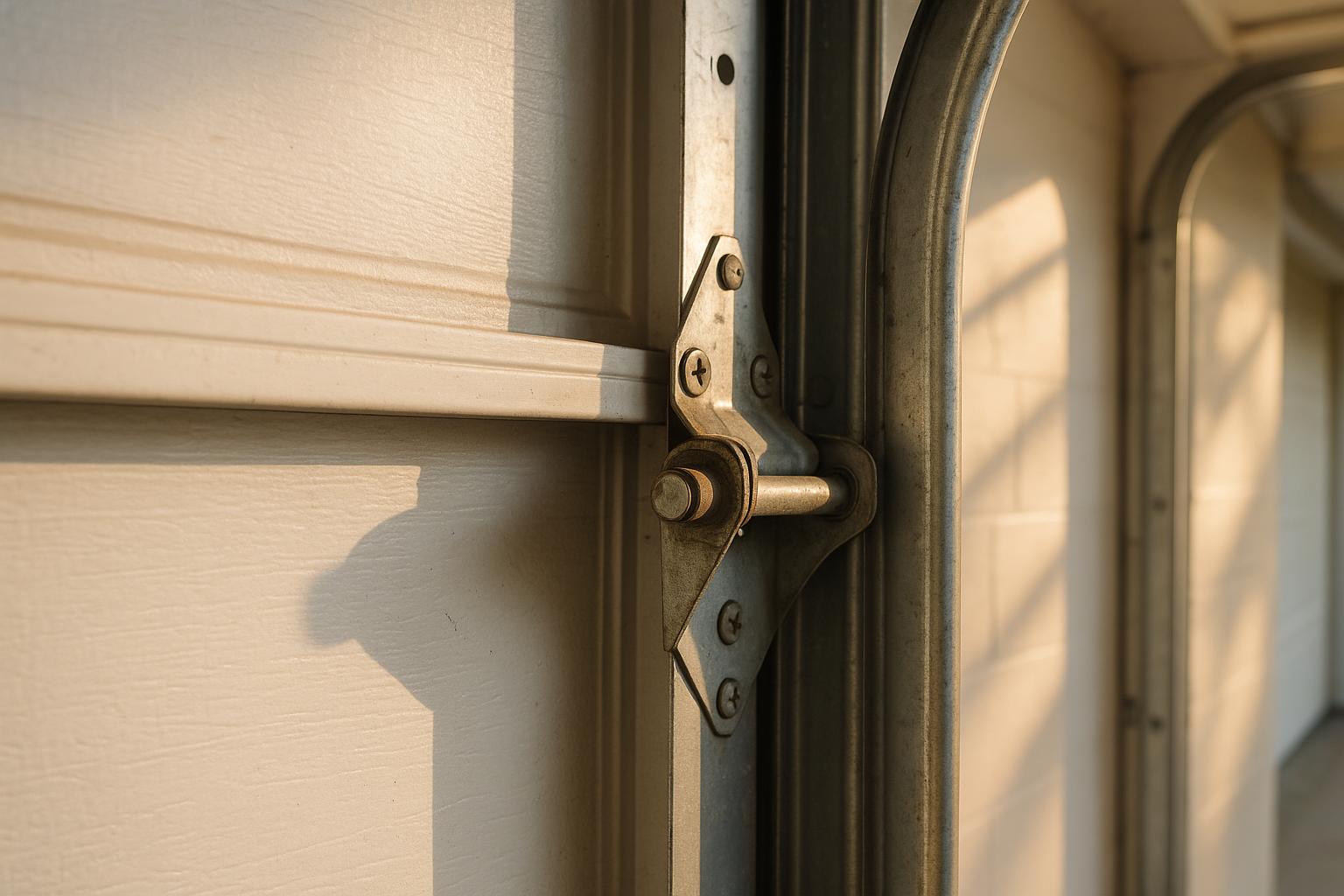
Your Garage Door Shouldn't Sound Like That
You press the button, and instead of the smooth hum you're used to, your garage door groans, squeals, or rattles its way up the track. If you're a homeowner in Sarasota, you probably use your garage door multiple times a day — it's often the most-used entry point in the house. So when it starts making unusual noises, it's hard to ignore.
The good news is that most garage door noises point to identifiable, fixable problems. The bad news is that ignoring them usually makes things worse — and more expensive. Let's break down the most common sounds, what they mean, and what you should do about each one.
Grinding or Scraping Sounds
A grinding or scraping noise is one of the most common complaints we hear from homeowners across Sarasota and Lakewood Ranch. This sound typically means metal is rubbing against metal somewhere in the system, and there are a few likely culprits:
- Worn rollers: Steel rollers wear down over time, and when they do, they grind against the track instead of gliding smoothly. Nylon rollers are quieter and last longer, and upgrading to them is one of the easiest improvements you can make.
- Misaligned tracks: If the vertical or horizontal tracks have shifted even slightly, the door panels can scrape against them as they move. This not only creates noise but also puts stress on the entire system.
- Dry bearings: The bearings inside the rollers, hinges, and pulleys need lubrication to function quietly. Florida's heat and humidity can accelerate the breakdown of lubricant, leaving parts dry and noisy.
If you hear grinding, start by visually inspecting the tracks for obvious bends or gaps. But if the tracks look fine, the issue is likely internal — worn rollers or dry bearings — and a professional inspection is the safest next step.
Squealing or Squeaking Noises
A high-pitched squeal every time your garage door moves is more than just annoying — it's a sign that something needs attention. The most common causes include:
- Lack of lubrication: This is the number one reason for squealing. The hinges, rollers, springs, and bearing plates all need periodic lubrication with a garage door-specific lubricant (not WD-40, which is a solvent, not a lubricant).
- Torsion spring friction: As torsion springs coil and uncoil, they can produce a squealing sound if they're dry. A light application of white lithium grease or silicone-based spray usually resolves this quickly.
- Worn weatherstripping: Sometimes the squeal isn't mechanical at all. The rubber weatherstripping along the bottom or sides of the door can drag and squeak, especially when it's old and stiff.
Regular lubrication — about every six months — is one of the simplest things you can do to keep your garage door quiet and extend the life of its components. In Sarasota's warm, salty air, we actually recommend doing it every three to four months if you live near the coast, like on Siesta Key or in Osprey.
Rattling or Vibrating Sounds
Rattling usually points to loose hardware. Your garage door system has dozens of nuts, bolts, brackets, and screws, and the constant vibration of daily use can loosen them over time. Here's what to check:
- Loose track bolts: The bolts that secure the tracks to the wall and ceiling can work themselves loose. A socket wrench can tighten them, but be careful not to overtighten — you can warp the track.
- Loose chain on a chain-drive opener: If you have a chain-drive garage door opener, a loose chain will slap and rattle during operation. Adjusting the tension usually solves the problem, though this is also a good time to consider whether a belt-drive opener might be a quieter long-term solution.
- Vibrating opener mount: The motor unit itself can vibrate against the ceiling if the mounting hardware is loose or if anti-vibration pads have worn out.
Rattling is often the easiest noise to fix, but it's also easy to overlook. Left unchecked, loose hardware can lead to bigger mechanical failures down the road.
Banging or Popping Sounds
A loud bang or pop is the noise that gets people's attention — and for good reason. These sounds can indicate:
- A broken torsion spring: When a torsion spring snaps, it releases a tremendous amount of stored energy and produces a sound that many homeowners describe as an explosion or a gunshot. If you heard a loud bang and now your garage door won't open, a broken spring is almost certainly the cause. Do not attempt to operate the door or replace the spring yourself. This is a job for a trained technician.
- Panel stress: If the door is out of balance or a cable has slipped, individual panels can flex and pop under strain. Over time, this can crack or warp the panels.
- Opener gear issues: A popping or snapping sound from the opener unit itself may indicate stripped gears inside the motor. This is especially common in older openers that have been working harder than they should due to an unbalanced door.
Banging and popping noises should never be ignored. They almost always signal a problem that will get worse — and potentially dangerous — if left unaddressed.
When to DIY and When to Call a Professional
Some noise-related fixes are safe for handy homeowners to tackle:
- Lubricate moving parts with a silicone-based or lithium-based garage door lubricant.
- Tighten visible hardware like track bolts and hinge screws.
- Inspect rollers for visible wear and listen for where the noise originates.
However, certain repairs should always be handled by a professional:
- Anything involving torsion springs — these are under extreme tension and can cause serious injury.
- Track realignment — improper adjustment can cause the door to derail.
- Opener motor or gear repair — electrical and mechanical components require proper tools and training.
- Cable replacement — cables are connected to the spring system and carry significant load.
Preventive Maintenance Keeps Things Quiet
The best way to avoid mysterious garage door noises is to stay ahead of them with regular preventive maintenance. At Precision Garage Door of Sarasota, our maintenance service includes a full inspection of springs, cables, rollers, tracks, hinges, weatherstripping, and the opener system. We lubricate all moving parts, tighten hardware, test the door's balance, and check the safety sensors — all the things that keep your door running smoothly and quietly.
Most of the noisy garage doors we service in Bradenton, Venice, and throughout the Sarasota area could have been caught early with a simple annual tune-up. It's a small investment that prevents costly repairs and extends the life of your entire system.
Don't Ignore What Your Garage Door Is Telling You
Strange noises are your garage door's way of asking for help. Whether it's a minor squeak that needs lubrication or a loud bang that signals a broken spring, addressing the problem early saves you money, keeps your family safe, and prevents the inconvenience of a door that stops working altogether.
If your garage door has started making sounds you can't explain, give us a call. Precision Garage Door of Sarasota will diagnose the issue, explain your options honestly, and get your door back to running quietly — the way it should.